

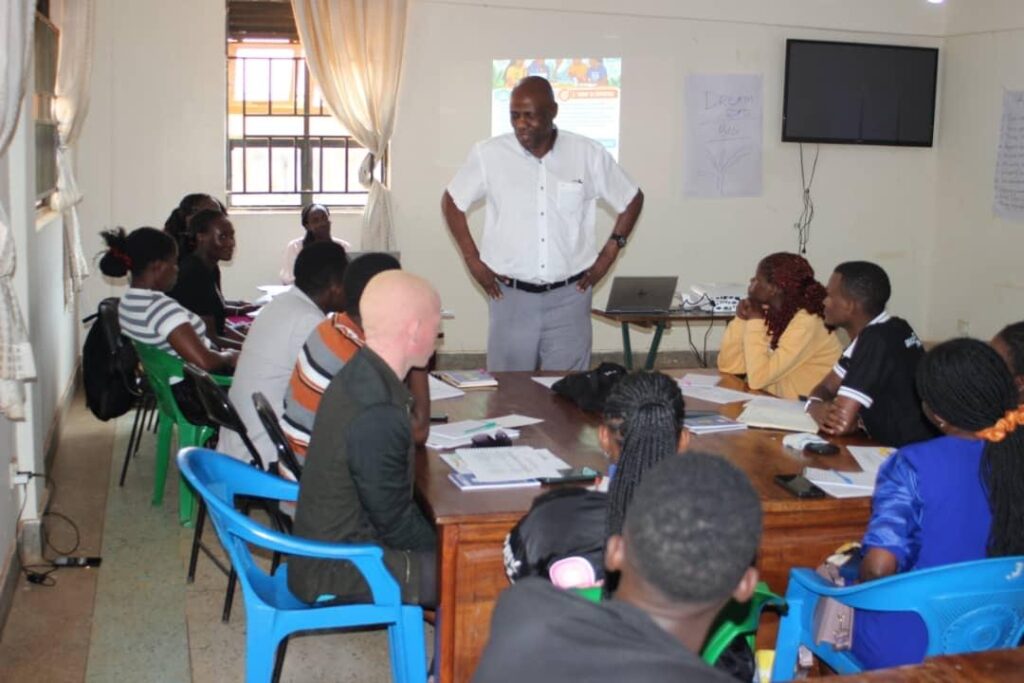
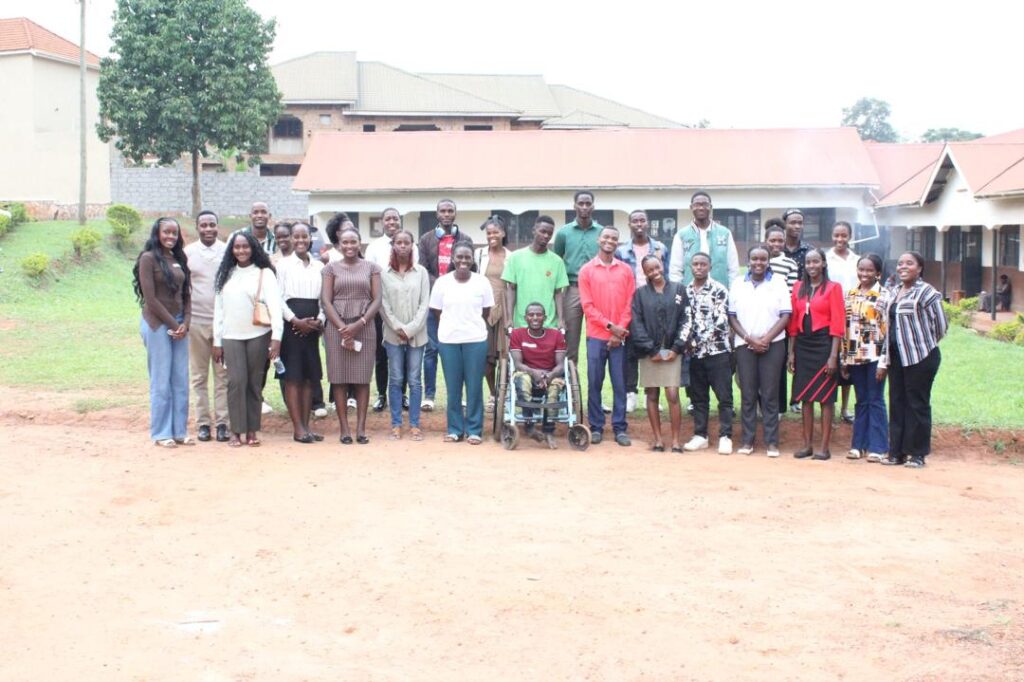
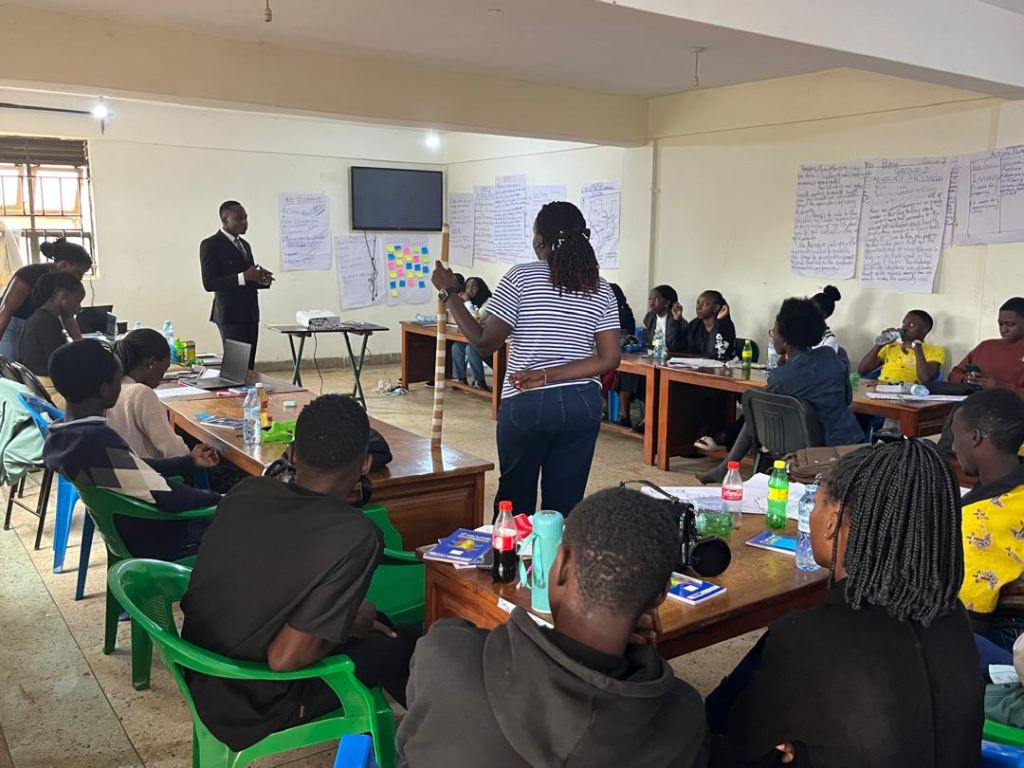
From 15–17 September, Uganda Youth Development Link (UYDEL) brought together 25 young people at the UYDEL Masooli Rehabilitation Centre for a three-day Youth Advisory Board (YAB) training under Voices for Change, with support from the World Federation Against Drugs (WFAD) and funding from the Swedish International Development Cooperation Agency (Sida).
The training aimed to strengthen participants’ knowledge, confidence and capacity to participate meaningfully in programmes and decisions that affect young people. Across the three days, participants explored meaningful youth engagement, substance use prevention, community needs and resources, and their role as Youth Advisory Board members.
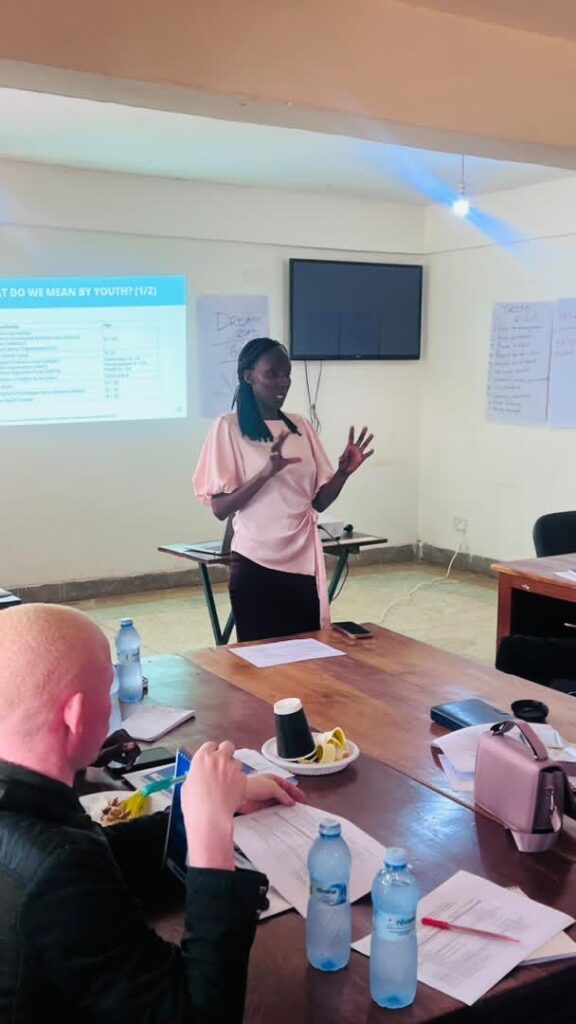
The first day focused on meaningful youth engagement and active participation. Following an orientation and pre-test, participants took part in interactive activities including Getting to Know Us and YAB Bingo. They explored the meaning of youth, meaningful youth engagement, active participation and Roger Hart’s Ladder of Participation, as well as the roles of young people and the responsibilities of Youth Advisory Board members.
The afternoon sessions introduced participants to drugs and psychoactive substances, substance use disorders and the continuum of care, including health promotion, prevention, treatment and recovery. Participants also identified available services and learned about substance-use prevention and evidence-based prevention approaches.
Discussions also addressed approaches that do not work in prevention and the importance of reducing stigma through respectful language. Participants considered preferred and non-preferred terminology when referring to people affected by substance use.
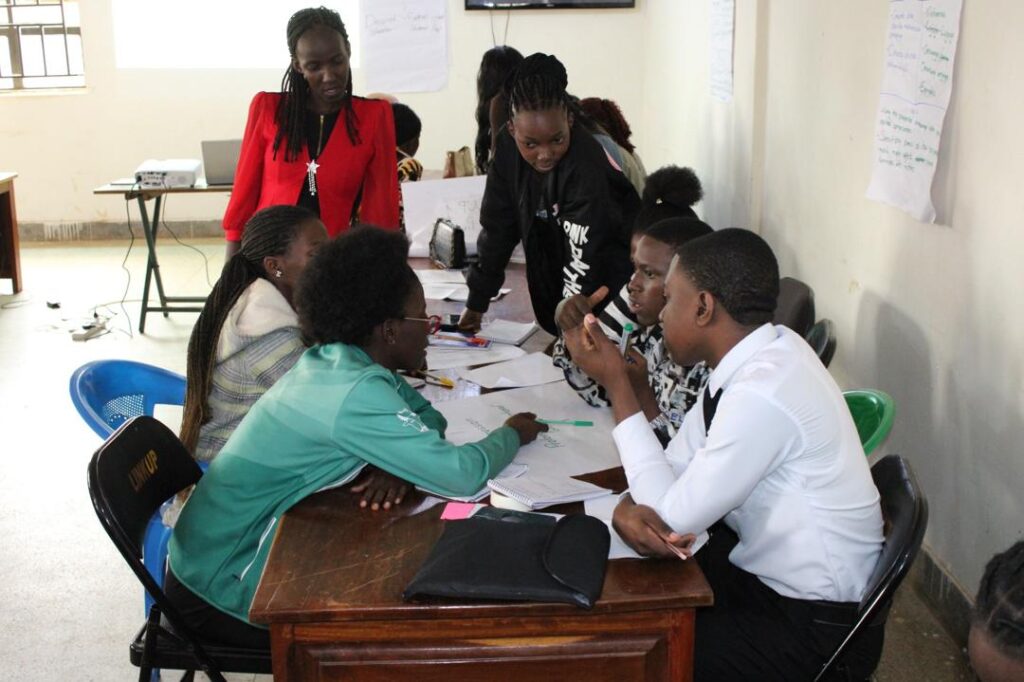
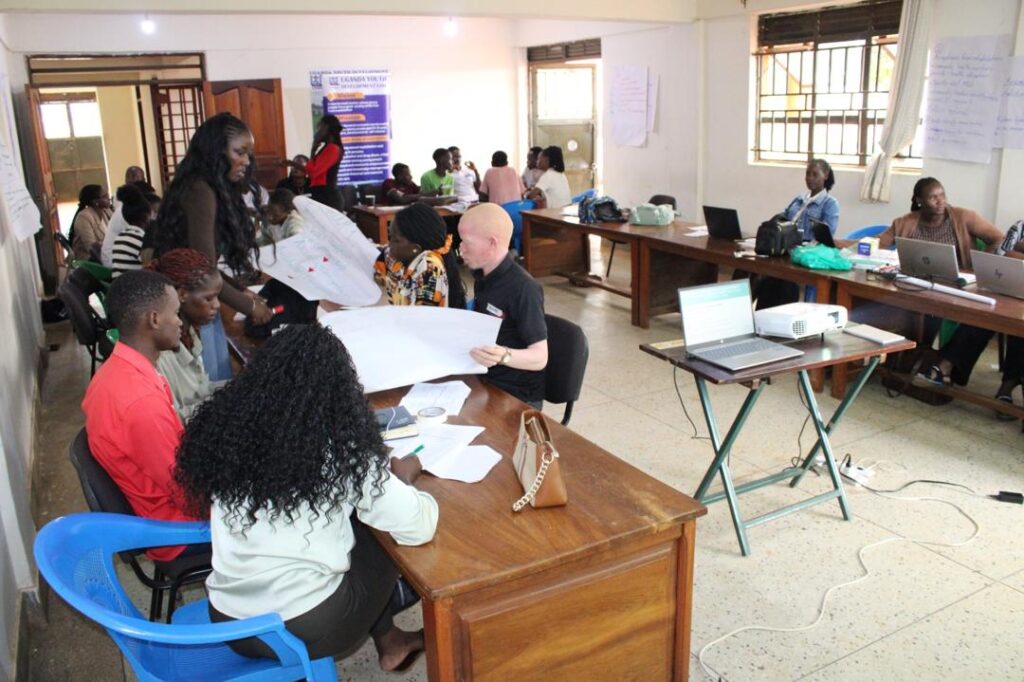
On the second day, the focus shifted towards community mapping, needs assessment and resource assessment. Through practical and interactive sessions, Youth Advisory Board members strengthened their ability to identify and prioritise community needs, develop evidence-based needs statements, assess available resources and map key community resources, stakeholders and challenges.
These skills are intended to support participants as they contribute to the development of evidence-based prevention interventions and take part in upcoming community dialogues.
Drug prevention remained a central focus throughout the training. Participants discussed substance use and its effects on young people, as well as risk factors that may increase vulnerability, including negative peer influence, family challenges, school dropout, unemployment, and the availability of alcohol and other drugs within communities.
The training also highlighted protective factors such as supportive families, positive peer relationships, education, mentorship, life skills, safe recreational activities, livelihood opportunities and access to youth-friendly services. Participants were encouraged to promote evidence-informed prevention approaches that address underlying causes, build resilience and contribute to safer and more supportive environments for young people.
A strong emphasis was placed on meaningful youth engagement. Youth Advisory Board members were prepared to participate as active partners, rather than only as beneficiaries, in the planning, implementation, monitoring and evaluation of drug-prevention interventions. They developed practical skills in identifying community needs and resources, contributing to decision-making, advocating for youth priorities, proposing realistic solutions and engaging relevant stakeholders during community dialogues and round-table discussions.
Participants also formed a YAB leadership committee comprising a Chairperson, Vice Chairperson, Secretary, Mobilizer and Media Personnel. The committee will support leadership, coordination, mobilisation, accountability and communication among members.
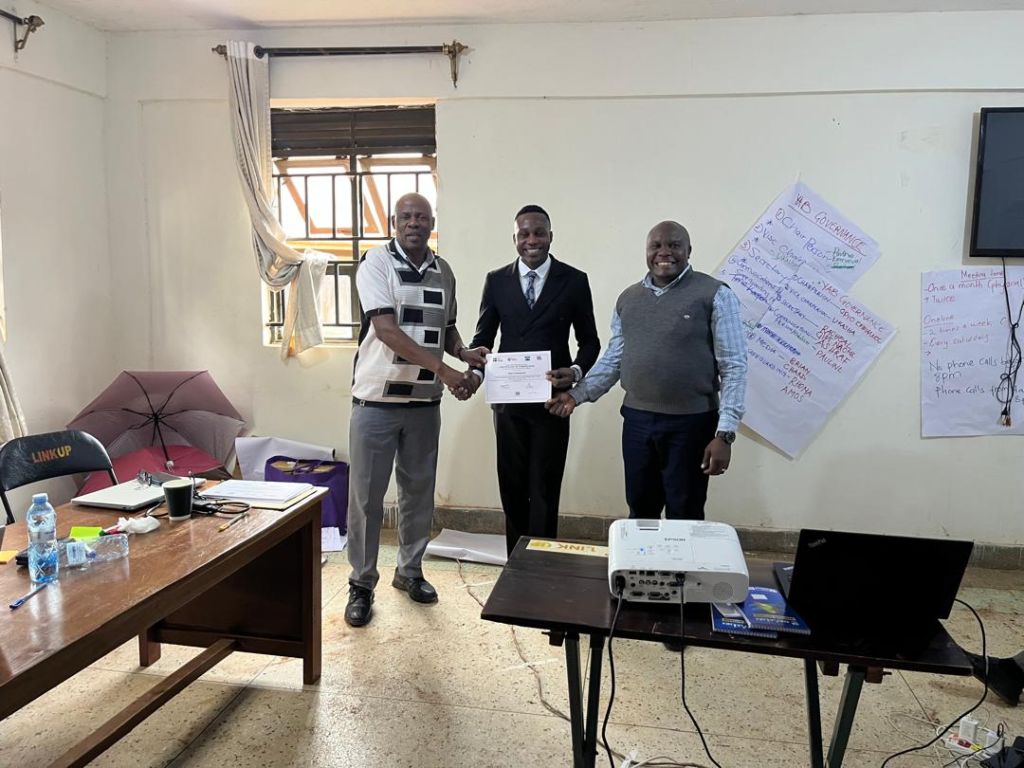
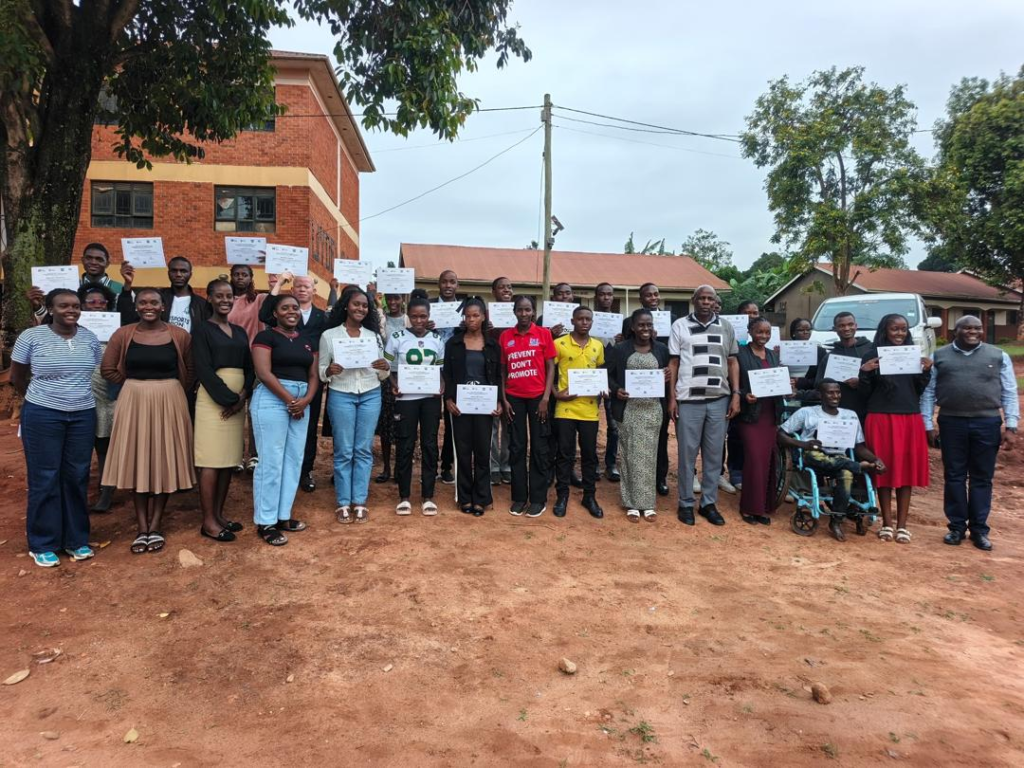
At the end of the training, all 25 participants completed a post-test and final evaluation. Dr Rogers Kasirye thanked participants for their commitment, enthusiasm and active participation and encouraged them to view the training as a stepping stone towards further opportunities, responsible youth leadership and sustained community action.
The training concluded with certificates being awarded to all 25 participants following their successful completion of the three-day programme.
As Voices for Change continues in Uganda, Youth Advisory Board members will have opportunities to apply the knowledge and skills gained through the training by contributing to community dialogues, round-table discussions and prevention activities, and by bringing young people’s priorities and perspectives into these processes.
In December 2025, WFAD launched the three-year project Voices for Change: Empowering Youth and Civil Society for Inclusive Prevention and Reintegration. The project is being implemented in Kenya, the Democratic Republic of the Congo, Tanzania and Uganda together with our East African Liaison, the WFAD DRC Office, and partners C-SEMA and Uganda Youth Development Link (UYDEL). It is funded by the Swedish International Development Cooperation Agency (Sida).
Leave a Reply
You must be logged in to post a comment.