

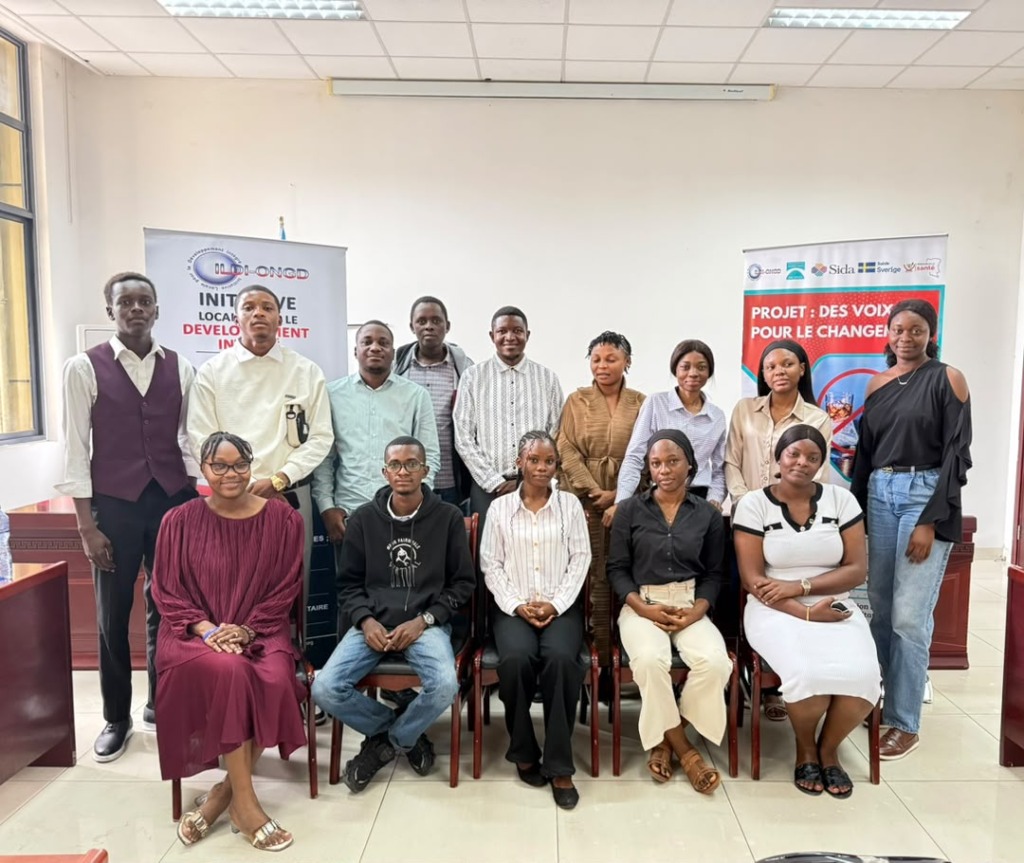
From 15 to 17 October 2026, the World Federation Against Drugs DRC (WFAD DRC), together with local partners Ildi ONGD and the Democratic Republic of the Congo’s National Programme for the Fight Against Drug Addiction and Toxic Substances (PNLCT), organised a three-day capacity-building workshop in Kinshasa. Funded by the Swedish International Development Cooperation Agency (Sida), the training brought together 20 members of the Democratic Republic of the Congo Youth Advisory Council (CCJ-DRC) as part of the Voices for Change project.
The workshop aimed to strengthen young people’s capacity to contribute to substance use prevention, identify risks and resources within their communities, and advocate for policies and interventions that respond to the DRC context.
Building knowledge and understanding communities
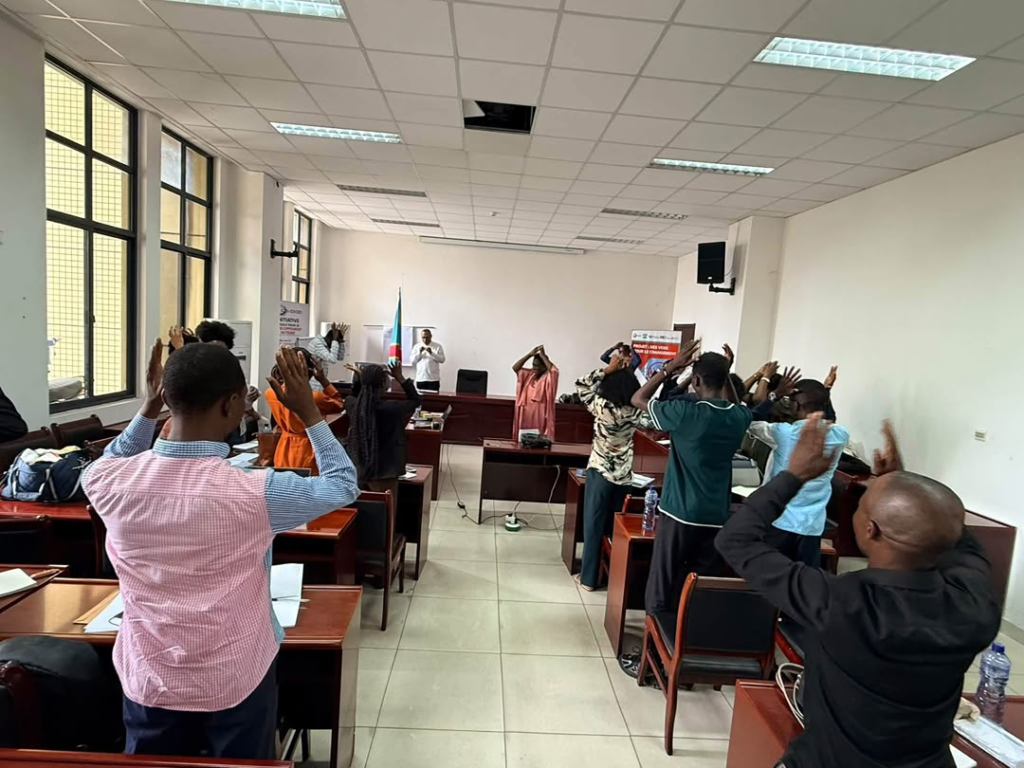
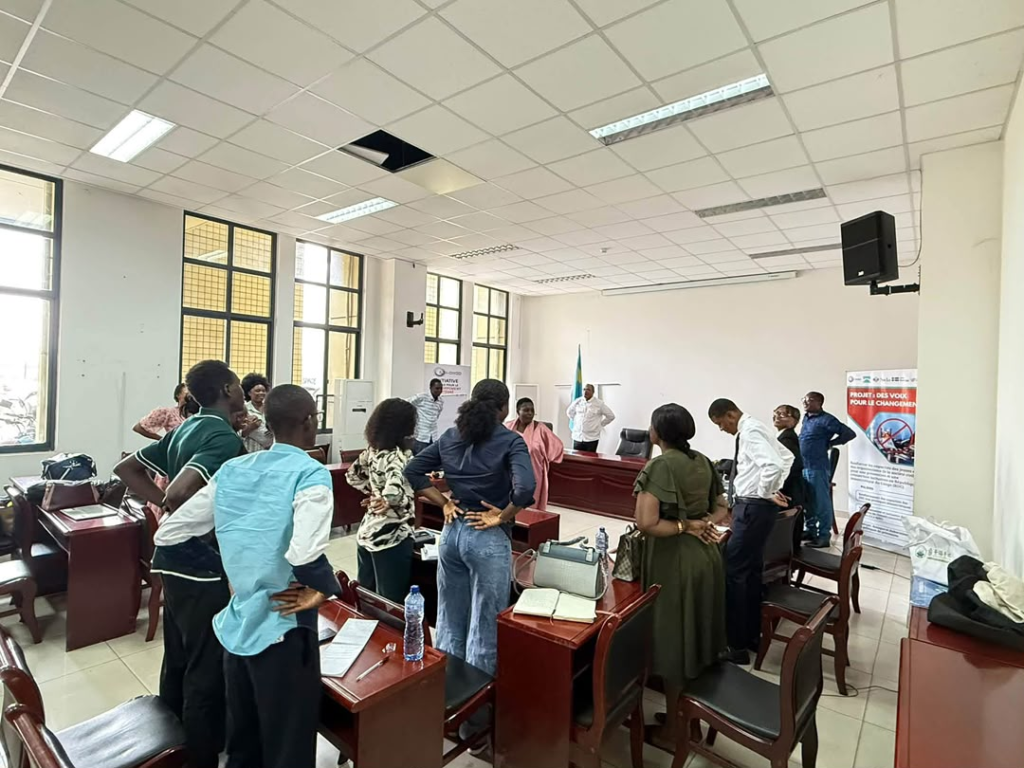
The training combined discussions, reviews of previous sessions, and practical group exercises to help participants connect the concepts introduced with the realities of their communities.
On the second day, participants reviewed the first two modules before exploring community mapping. Facilitated by Mr Doci Ngole, the session introduced the concept of community mapping and its role in identifying community needs, available resources and assets, and gaps that may require further attention.
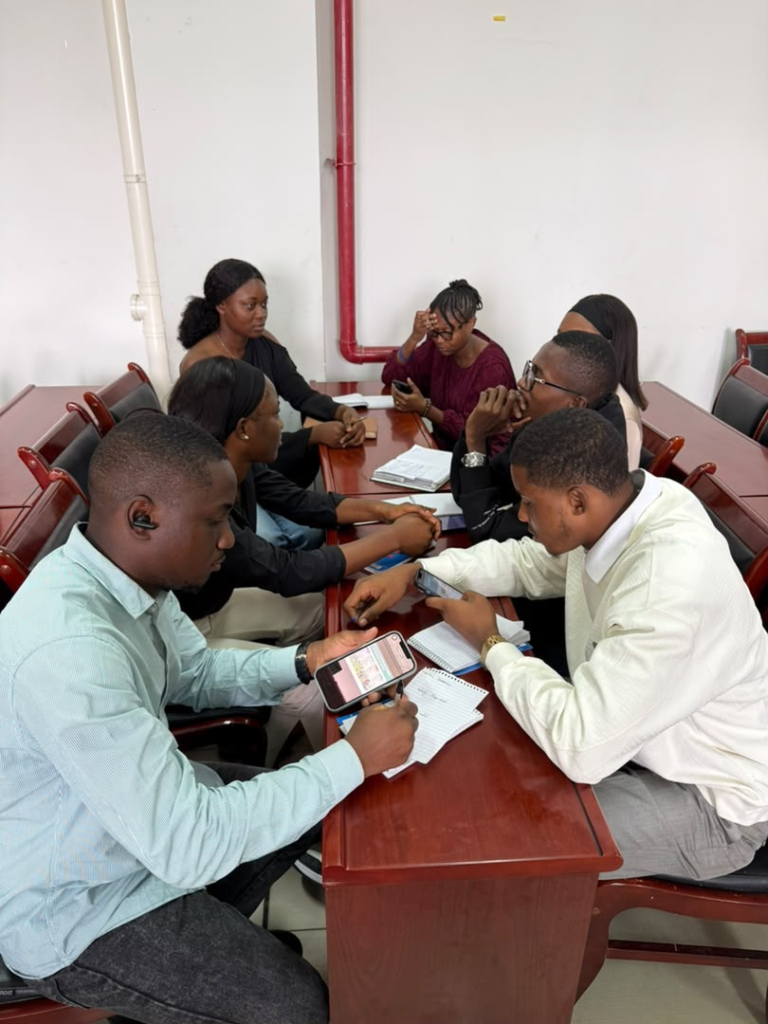
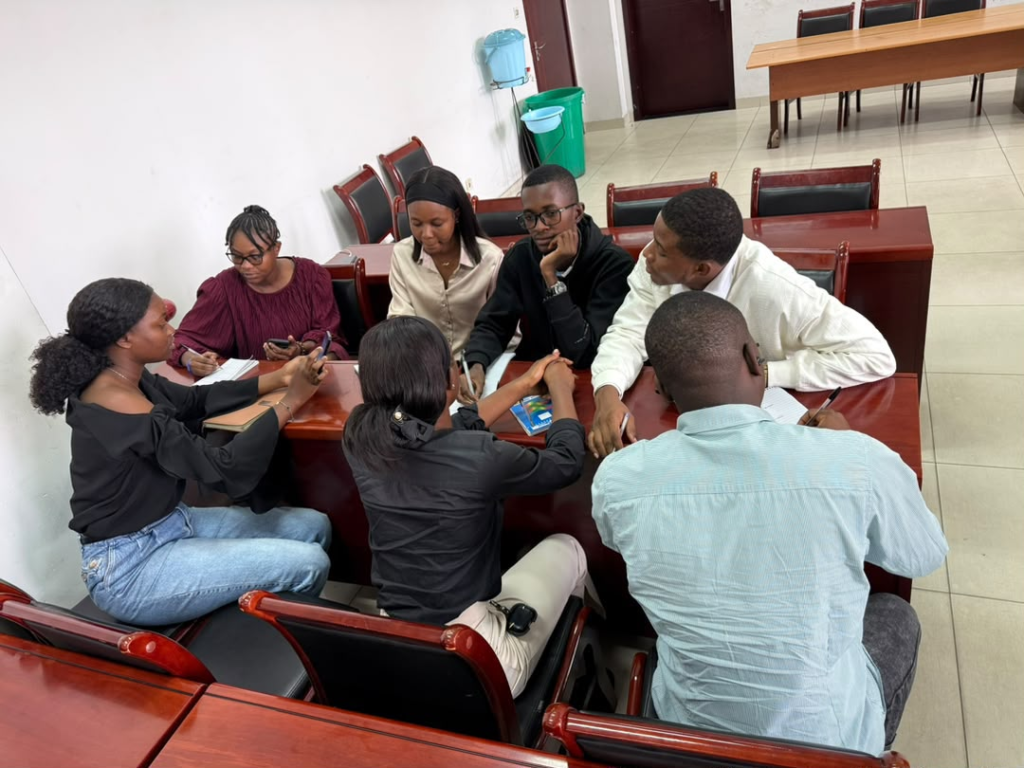
Participants then worked in groups to map resources and assets within their respective communities. This exercise gave them an opportunity to apply the concepts covered during the session and consider how evidence from their communities can inform more targeted prevention efforts.
Community mapping can help young people develop a clearer understanding of the challenges and resources around them, providing a foundation for identifying priorities and supporting locally relevant responses.
Strengthening the role of young people in prevention and advocacy
Across the three-day workshop, the 20 Youth Advisory Council members strengthened their understanding of the role they can play in addressing the use of drugs and other psychoactive substances. The training also emphasised the importance of connecting young people, civil society organisations, public authorities and other stakeholders.
As members of the CCJ-DRC, participants are expected to help bridge these groups, bringing young people’s perspectives into discussions, and contributing to prevention initiatives and policy advocacy.
Supporting more inclusive community responses
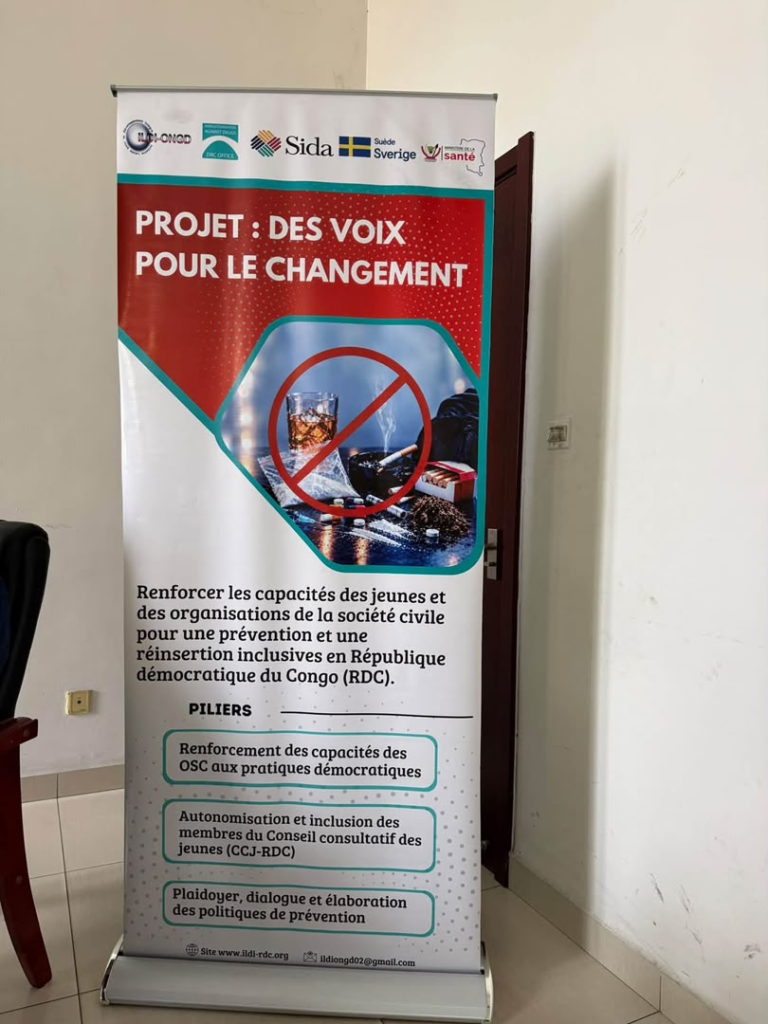
The training is part of Voices for Change: Strengthening the Capacities of Young People and Civil Society Organisations for Inclusive Prevention and Reintegration in the DRC. The project is implemented by WFAD in collaboration with Ildi ONGD and PNLCT, with financial support from Sida.
By strengthening the knowledge and practical skills of young people, the initiative seeks to support more inclusive, community-based approaches to substance use prevention and reintegration. The workshop in Kinshasa represents a step towards ensuring that young people have the capacity and opportunities to contribute to healthier communities and responses that reflect local needs.
Leave a Reply
You must be logged in to post a comment.