

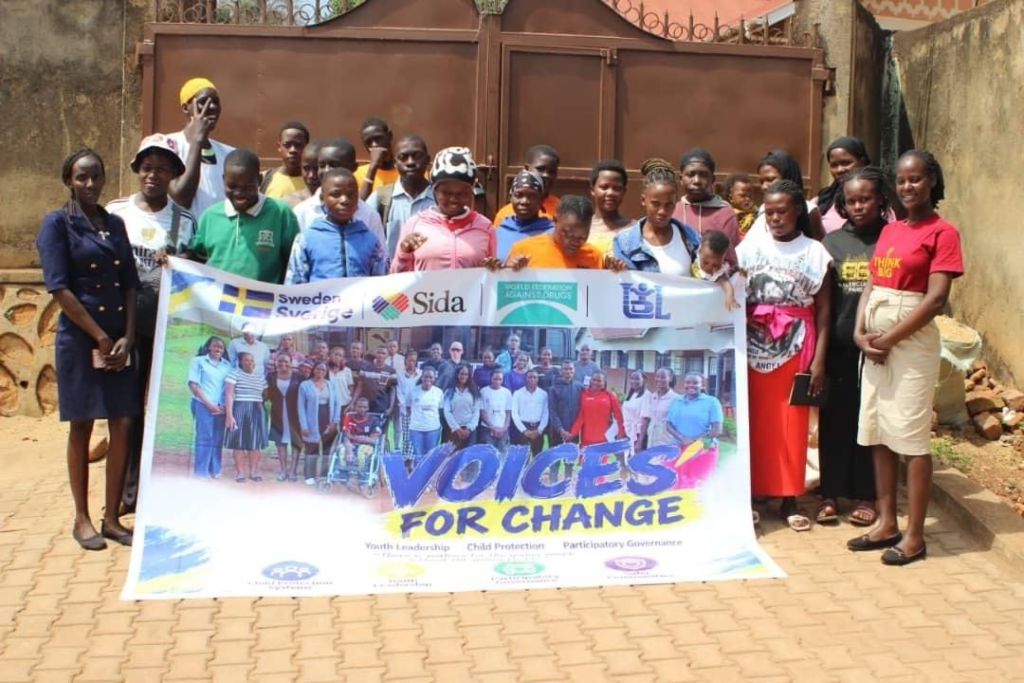
In the first two weeks of October, Uganda Youth Development Link (UYDEL) has conducted life skills training sessions with young people at several locations in Uganda as part of Voices for Change, a project funded by the Swedish International Development Cooperation Agency (Sida). The activities bring together out-of-school young people to explore practical skills that can help them navigate everyday challenges, make informed decisions, build healthy relationships and work towards their personal goals.
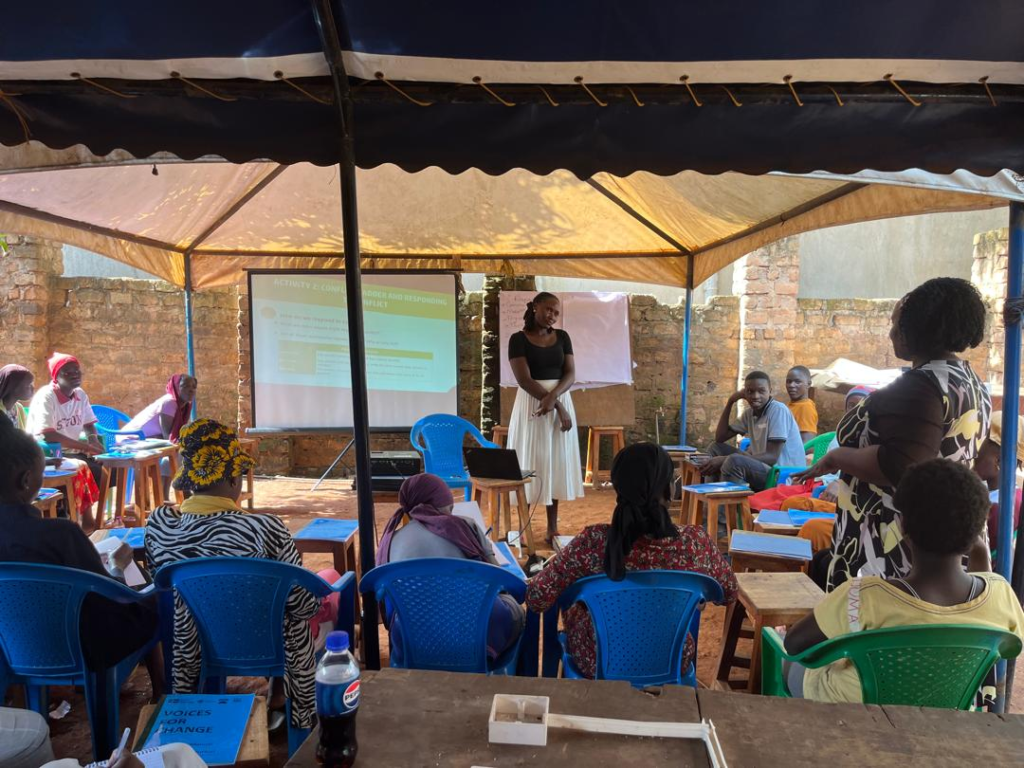
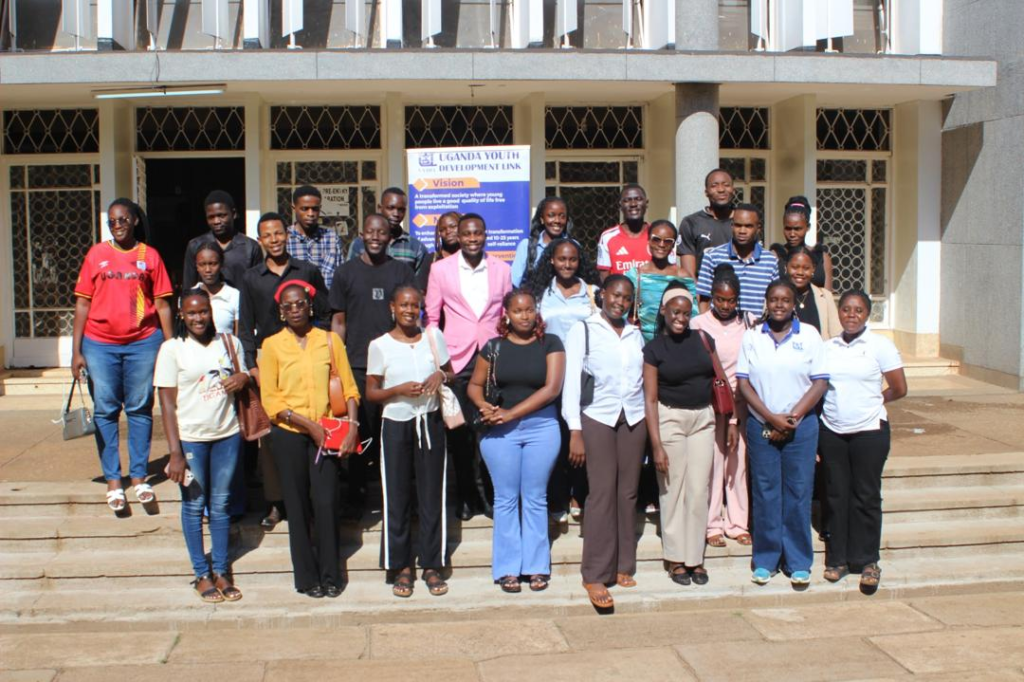
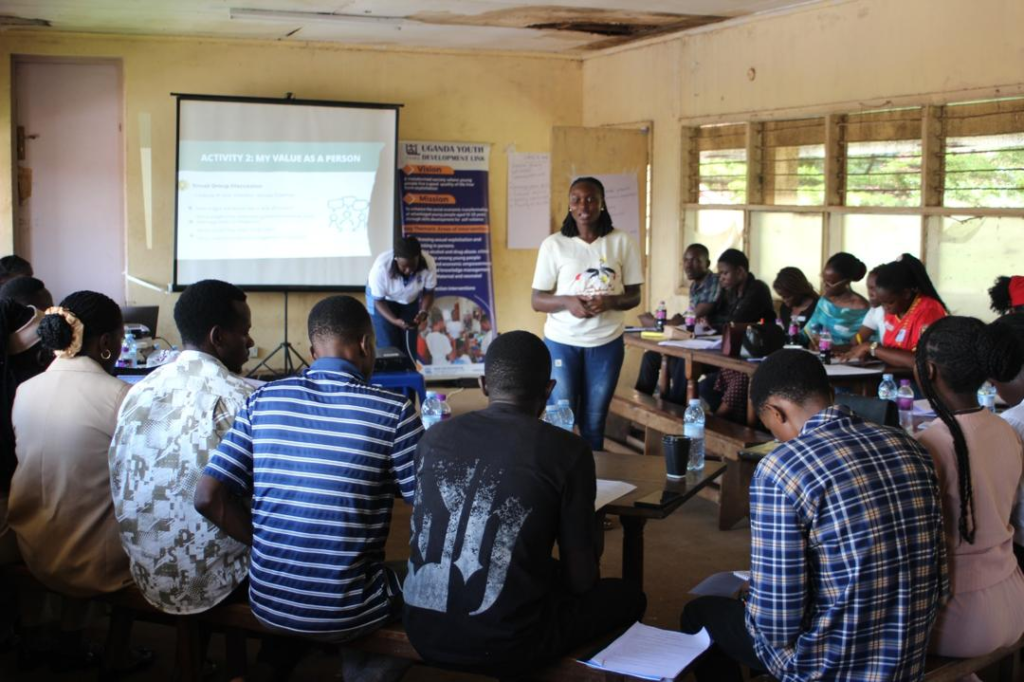
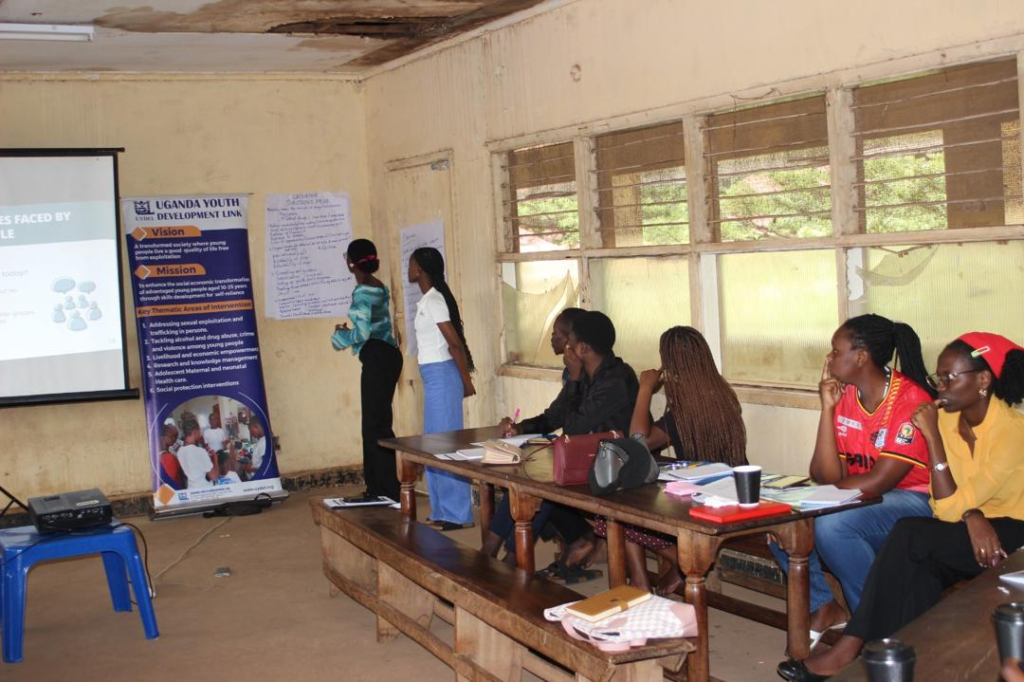
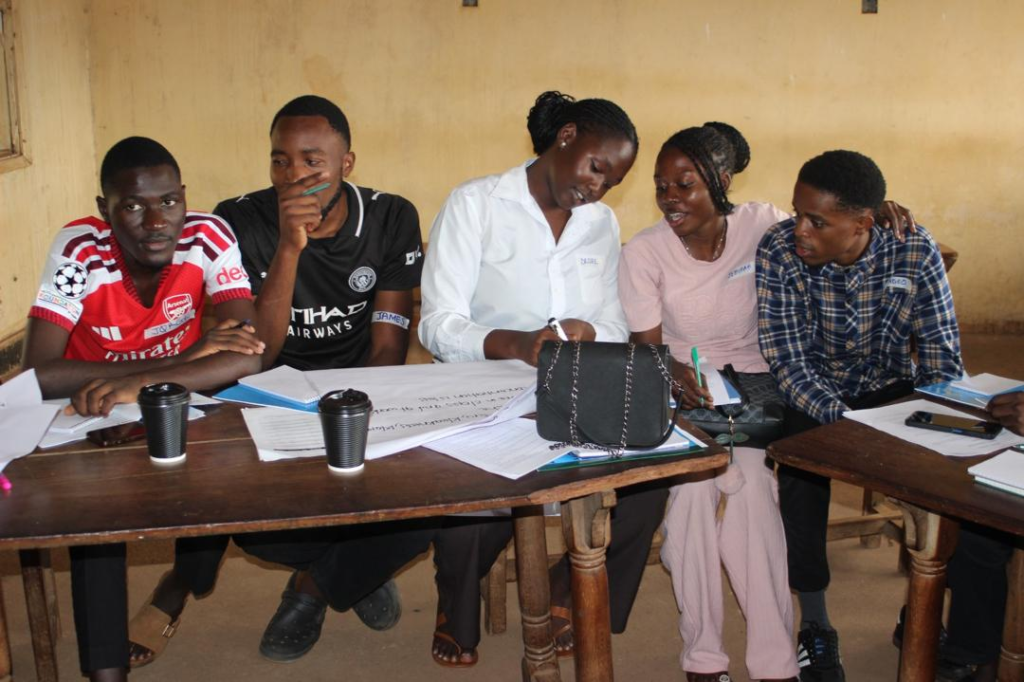
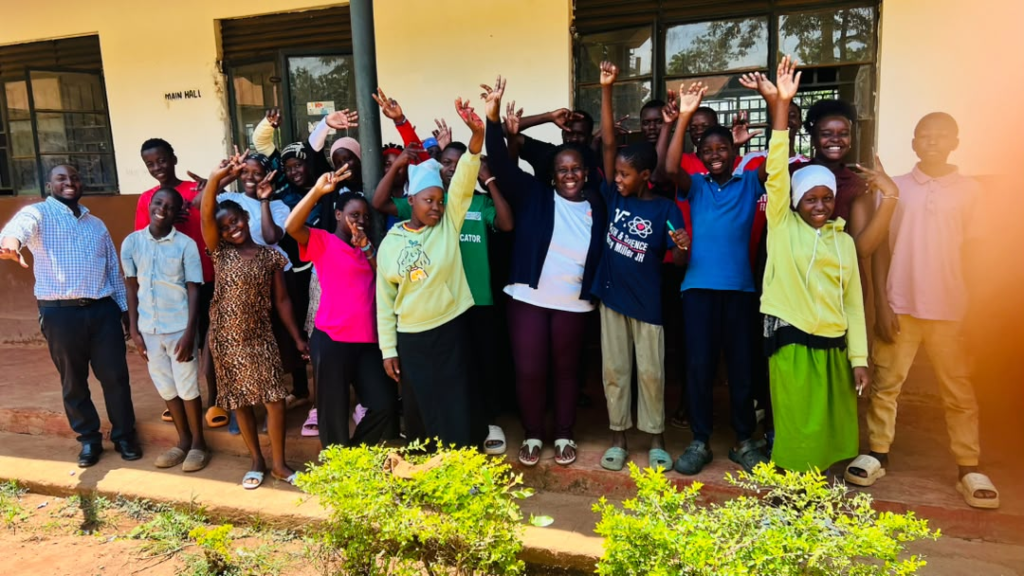
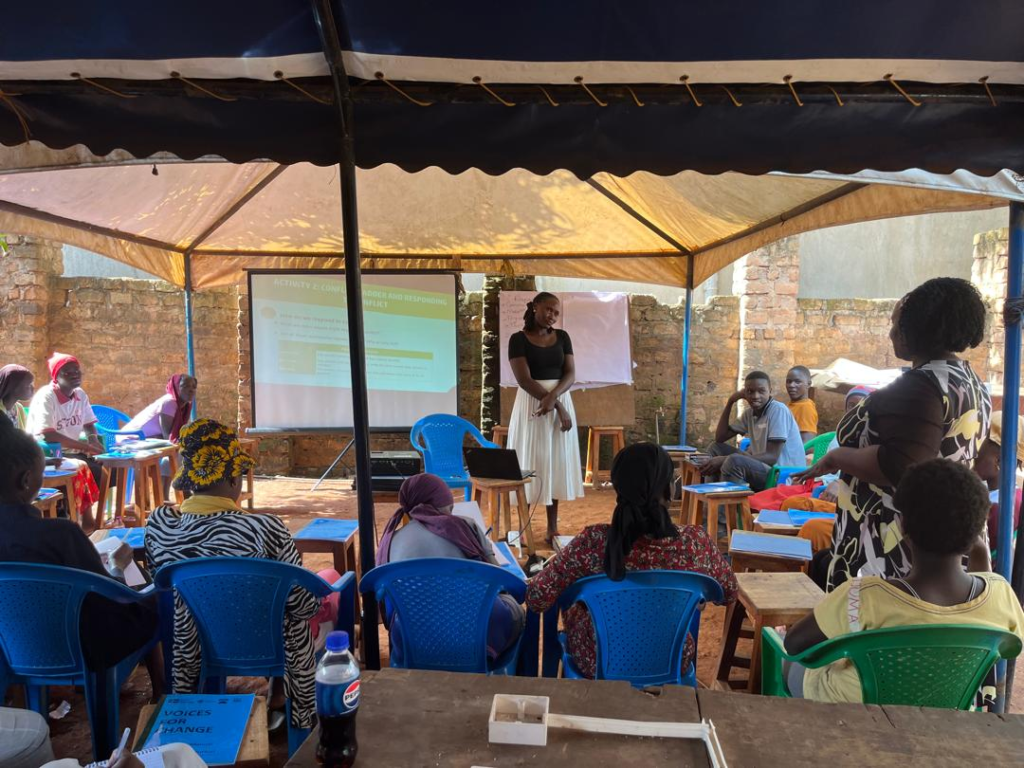
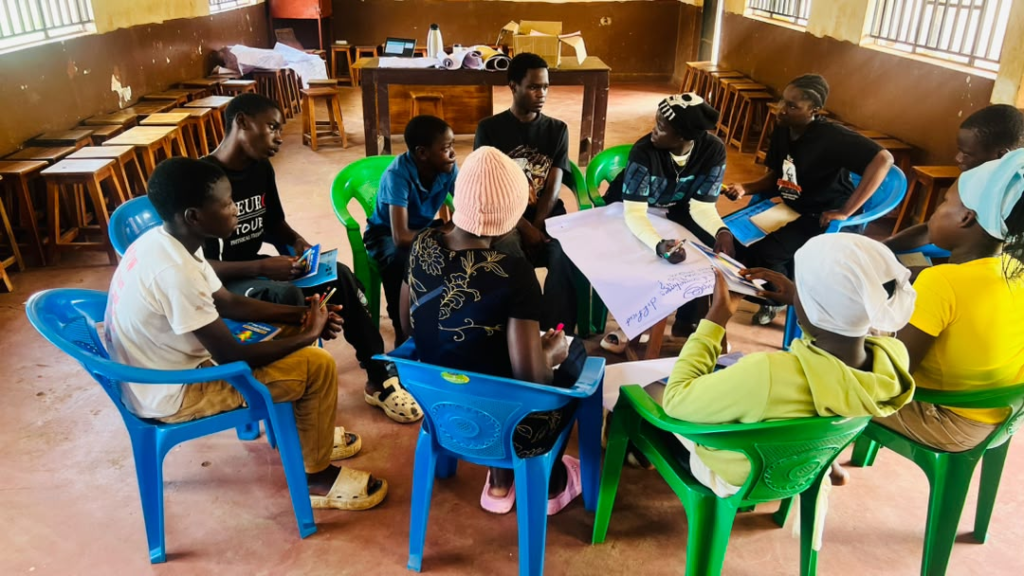
Across sessions at Makerere University, UYDEL’s Makindye and Masooli centres, and Bwaise Youth Centre, participants took part in interactive discussions, group activities, presentations and role-plays covering key life skills.
Building self-awareness and confidence
The first modules introduced participants to life skills and their importance in everyday life. Young people discussed challenges affecting their lives, including drug use, unemployment, peer pressure and limited opportunities to participate in decision-making.
Through group activities and personal reflection, they explored self-awareness, self-esteem, personal values, and goal-setting. The sessions encouraged participants to recognise their strengths and understand that their personal worth is not defined by the circumstances they experience. These discussions helped them reflect on how their values and goals can guide their choices and future plans.
Understanding emotions and communicating with confidence
The following sessions focused on emotional well-being, communication, and assertiveness. Participants learned to recognise emotions, identify signs of stress, and explore healthy ways of coping with challenges. Discussions also highlighted the importance of resilience, supportive relationships, positive activities, and seeking help when needed.
Through role-plays and practical exercises, young people practised active listening, expressing feelings respectfully, and setting boundaries. They also explored the differences between passive, aggressive, and assertive communication, including how to say no when faced with peer pressure.
Making informed decisions and resolving conflicts peacefully
The later sessions focused on decision-making and conflict resolution. Participants explored how emotions, peer pressure, and information shared on social media can influence their choices. They practised using the PAUSE approach to slow down, consider different options, check information, and think about possible consequences before acting. They were also encouraged to seek advice from trusted people when facing difficult decisions.
In the conflict resolution sessions, young people explored how disagreements can escalate when people react in anger or communicate disrespectfully. Using the Stop–Think–Act approach, they practised ways to manage their emotions, listen to others and respond more calmly. Discussions highlighted practical strategies such as apologising when necessary, expressing feelings respectfully and taking time to calm down before responding.
Participants also shared personal experiences illustrating how decisions made in moments of anger can lead to regret. These reflections helped connect the training to situations young people encounter in their everyday lives.
Supporting young people to build a better future
By combining practical exercises with discussion and personal reflection, the life skills sessions give young people opportunities to develop skills they can apply in their relationships, daily decisions, and future plans. These skills can also support their participation in vocational training and preparation for employment.
Leave a Reply
You must be logged in to post a comment.