

The Singapore Anti-Narcotics Association (SANA) organised the biennial Asia-Pacific Forum Against Drugs (APFAD) from 15 – 17 May 2025. Themed “Forging Ahead Together, Towards a Drug Free Society”, the event saw more than 300 participants from NGOs in the Asia-Pacific region coming together to discuss best practices, challenges and opportunities as well as develop strategies to address the worrying global trend of illicit drug use and liberalisation.
The Guest of Honour for the event was Mr K. Shanmugam, Minister for Home Affairs and Law, Singapore. During his opening speech, he emphasised on the rising threat of drugs, highlighting how the fentanyl crisis in some territories, for instance, is “coming closer to home for all of us.” He shared that in March 2025, Singapore’s closest neighbour, Malaysia, reported that they had detected fentanyl in wastewater testing, a clear sign that Singapore needs to step up its vigilance, as the threat of fentanyl abuse is moving closer.

Following the speech, the Forum kickstarted with Ms. Amy Ronshausen, President of the World Federation Against Drugs, sharing on the pressing realities of the global drug crisis, examining the complex challenges it poses to societies worldwide. Amid these challenges, she emphasised the importance of collaborative action and evidence-based strategies.
Mr. Ioan Grillo, a journalist based in Mexico, then shared on the impact of drug cartels in Mexico in terms of the violence and harms caused to the population. Relating to the region, he shared that organised criminal organisations have been setting up their bases at the Golden Triangle region and how regional countries must take notice before the situation worsens.
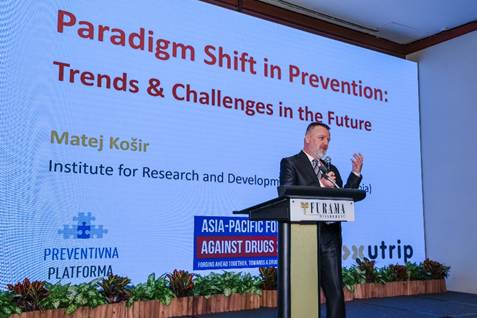
Mr Matej Kosir, Chairman of VNGOC, explored the evolving landscape of prevention strategies, with a focus on evidence-based approaches. He highlighted current global trends in prevention, the cost-effectiveness of interventions and the critical need for early prevention measures.
Dr Kevin Sabet and Mr Luke Niforatos from Smart Approaches to Marijuana (SAM) shared how today’s marijuana is much more potent than in the past, with pot edibles, candies, cookies, ice creams, and waxes containing up to 99% tetrahydrocannabinol (THC). In comparison, marijuana in the past contained only 5% THC. They also shared the latest facts and figures on the dire situation in states where marijuana is legalised, such as increase in traffic fatalities, increase in pregnant women testing positive for THC and that marijuana abuse among young people in legalised states outpaced those in non-legalised states.
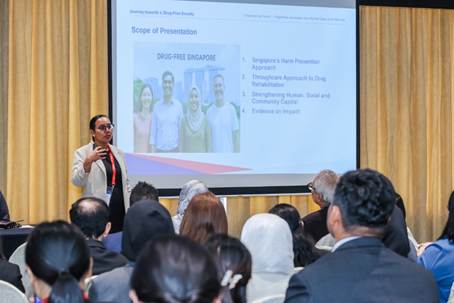
Several workshops were held on topics such as preventive drug education, working with youths and engaging the community to address the scourge of drugs. Representatives from different regional NGOs also shared on drug-related challenges and trends in their respective countries, along with strategies adopted to tackle the issue.
During the event, a new Coalition, the Asia-Pacific Confederation against Drugs (APCD) was launched. APCD is a multilateral community of non-governmental organisations (NGOs), which aims to advocate for stronger Drug Demand Reduction efforts and the creation of drug-free areas, forge strong regional cooperation in advocating the harms of drugs through joint programmes and project a unified voice at international platforms like the Commission on Narcotic Drugs (CND).


The final day of the APFAD took place at the SANA Step-Up Centre, where a workshop titled Evidence-Informed Approaches to Preventive Drug Efforts was conducted by Mr. Matej Košir and Ms. Amy Ronshausen. Ms Amy Ronshausen and Mr Matej Kosir spoke about the ineffectiveness of certain preventive efforts and emphasised the importance of meeting individuals’ basic needs before educating them on substance abuse.
SANA would like to thank all the representatives from close to 30 countries who came together to make this event a success. Special thanks to WFAD for facilitating invitations sent to its members, contributing to a good turnout for the forum which has been effective in paving the way for future collaborations between Singapore and partners from the region.

Leave a Reply
You must be logged in to post a comment.