

Commemorating World Children’s Day and the importance of Prevention in the lives of children and youth, we conducted a campaign between November 3rd and November 20th. The campaign highlighted #PreventionThatWorks. It highlighted various statements based on the UNODC International Standards on Drug Use Prevention and “Prevention Gone Wrong” by Matej Kosir, showcasing what works in prevention. It explained the following:
- Prevention Doesn’t Work in Isolation: The most effective strategies connect prevention with the continuum of care, including health care, harm reduction, treatment, recovery, law enforcement, etc.
- Early prevention is essential and starts at home. Just like a young tree needs support to grow strong, children need nurturing relationships to develop resilience, empathy, and self-regulation. When parents and communities work together, prevention begins to flourish — long before risks appear.
- Prevention is a shared responsibility. Teachers, parents, counsellors, coaches, and friends all play a role. Prevention works best when every adult in a young person’s life is on the same page and models healthy choices.
- Prevention is stronger when we learn from what already works. Proven approaches are better than guesswork; Shared lessons help avoid repeating mistakes; Challenges and various risk factors are universal—and so are the solutions. Prevention is global. When it works somewhere, it can work everywhere with the necessary cultural sensitisation.
- The most effective prevention programmes are skills-based, including Interactive sessions (not just lectures); trained facilitators and peers; practising coping, decision-making & resistance skills; and correcting misconceptions about substance use. Prevention isn’t about fear—it’s about giving youth skills for life.
- Did you know? Most teens do not use substances. By correcting misconceptions and showing the truth, prevention empowers young people to feel confident in their healthy choices.
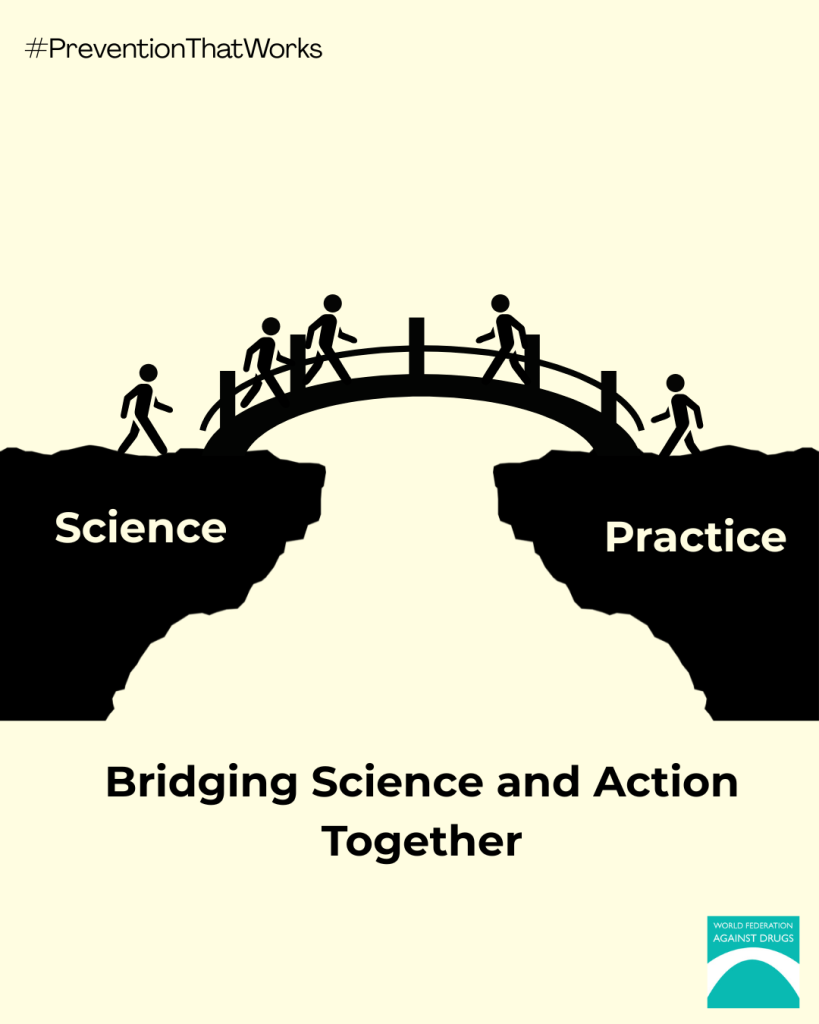
- Prevention isn’t guesswork — it’s science. For over 40 years, prevention science has shown that what protects young people are nurturing families, supportive communities, and environments that strengthen self-regulation and resilience. But science only works when it’s used. That’s why the future of prevention means putting evidence into action by bridging research, policy, and practice to reach every community. When we connect science with real-world action, prevention becomes more than a programme; it becomes a movement
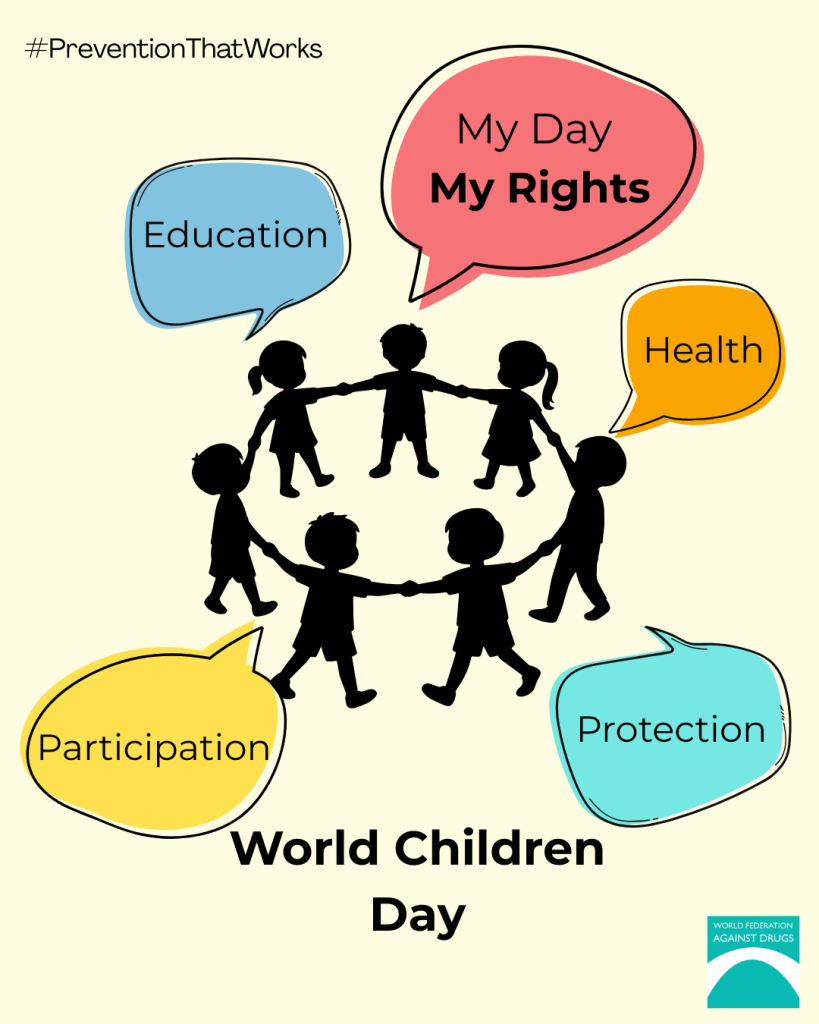
- Every young person has the right to grow up healthy, supported, and heard. Prevention isn’t just something done for youth; it should be shaped with youth. When young people are included in designing and leading prevention efforts, the results are more meaningful, equitable, and lasting.
The campaign was shared on Facebook, Instagram, and LinkedIn and was well-received within the community. It was finalised with a #PreventionThatWorks webinar on November 19. Following the final post on World Children’s Day, highlighting the essence of including the voices of youth in the debate and design of prevention programmes, a youth campaign will follow.


Leave a Reply
You must be logged in to post a comment.